
Dented Garage Door Panel: Repair One Section or Replace the Door?
A shallow dent on an otherwise sound door can sometimes be pushed out, but a crease or a dent at a section edge usually means replacing that one section. If more than two sections are damaged, the bottom section is badly bent, or the door model is no longer made, a new door is often the better value.
- Works for:
- Steel sectional doors with a dent from a car, a ball, a snowblower, or a bin. Wood and aluminum doors behave differently; send a photo and we'll tell you where you stand.
Written by the ClearTech Garage Doors team in Winnipeg and checked against manufacturer documentation. Updated .
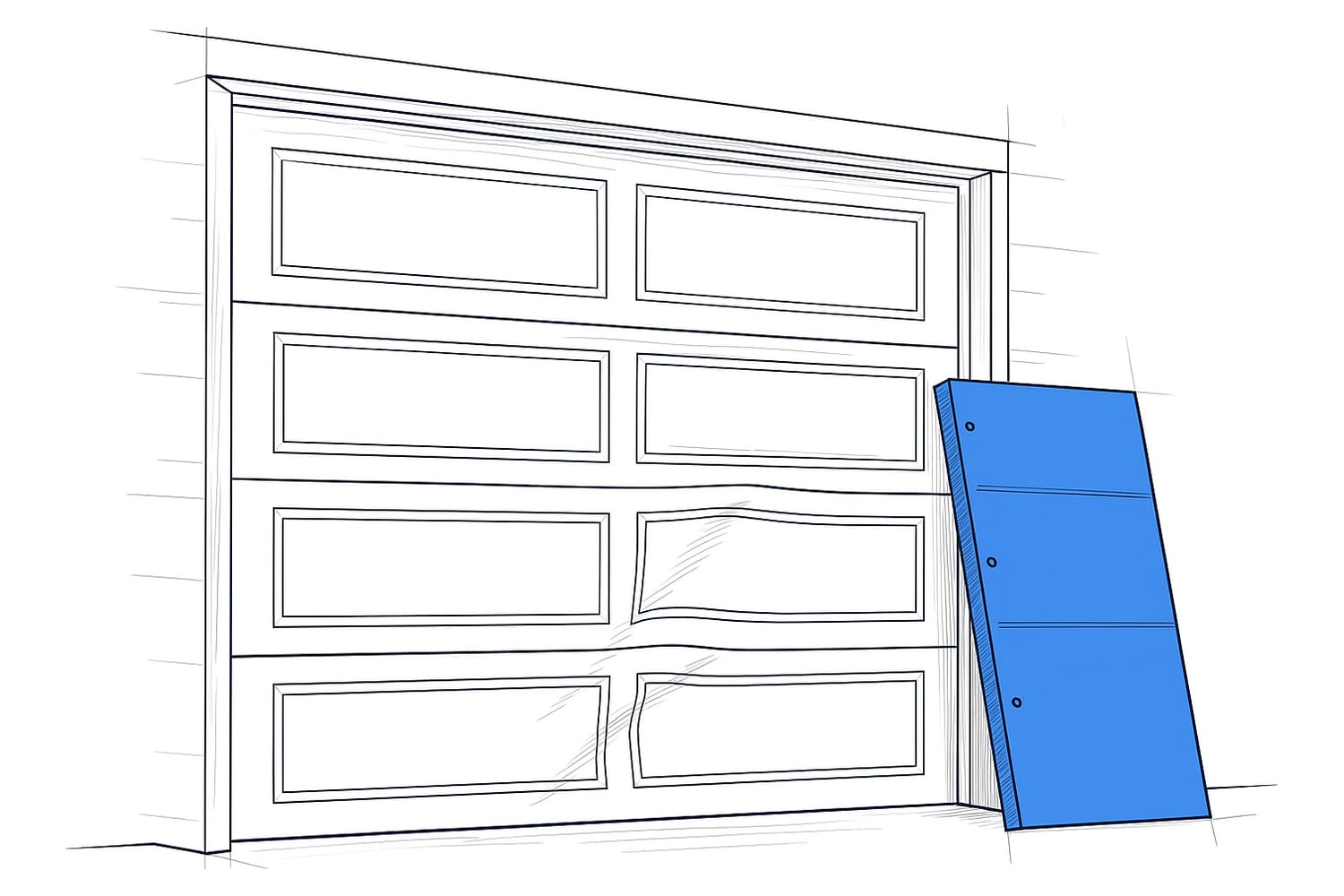
Can the dent just be pushed out?
Sometimes. A shallow, rounded dent in the flat of a panel, with no crease, can often be eased back from the inside on an uninsulated door, and occasionally on an insulated one. The metal rarely comes back perfectly flat, and the paint can craze along the edges of the dent, so it's a cosmetic improvement rather than a repair.
A crease is different. Once the steel skin has folded, it has stretched, and pushing it back leaves a ridge and a weak line that flexes every time the door moves. Manufacturers' own advice is that a creased or deeply dented section is a replacement, not a repair, and that a heavily dented door should be looked at by a dealer before anyone tries to work it back by hand. We'll say honestly whether a push-out is worth trying on yours.
Can one section be replaced?
Usually, yes. Sectional doors are built from separate sections joined by hinges, and manufacturers sell individual sections for models still in production. We need the door's make and model, which section it is (top, bottom, or one of the middle ones), the colour, and ideally the serial number, which on Clopay and many other doors from the last ten years or so is printed on a label on the inside of the bottom section.
Two things to know before you decide. A new section comes in the current factory colour, and a door that has faded for eight Winnipeg summers won't match it exactly; on white and light colours the difference is small, on dark colours it shows. And any decorative hardware or windows on that section go with it, so the replacement has to carry the same. Our panel replacement page covers how we confirm a match before ordering.
When is a new door the better call?
When the damage is spread out: more than two sections hit usually prices out close to a new door, and you'd still have an old door with a mix of panels. When the bottom section is badly bent, because it carries the bottom seal, the bottom brackets that the lift cables attach to, and often the door's weight when it's down. When the door no longer closes or seals, which points to bent track or hardware on top of the panel. When the model is discontinued and no section exists to order. And when the door is already fifteen or twenty years old and the springs, rollers, and seals are due anyway.
In those cases we quote both ways, side by side, and the decision stays yours. The installation page covers what a new door includes.
What about the top section and the opener?
The top section takes the pull of the opener arm, and on a dented or weakened top section that pull can finish the job. Manufacturers and the industry body both call for the top section to be reinforced with a strut when a trolley opener is attached, and most warranties require it. If your damaged section is the top one, or the door had no strut to begin with, the replacement should include one.
Also check the door isn't out of balance after a hit. If one lift cable has slackened or the door sits crooked, leave the opener alone until it's looked at. The cable off the drum guide explains why.
What should I send you?
Three photos: the dented section straight on, the whole door from inside the garage, and the label on the inside of the bottom section if you can find it. From those we can usually tell you the same day whether it's a push-out, a section, or a door, and what each would involve.
Need this fixed?
Panel Replacement
Garage door panel replacement in Winnipeg: swap a bent or damaged section one at a time on sectional doors, no full door needed in most cases. We match the existing style so the repair doesn't look like one.
More about Panel ReplacementWhen to call us
- The dent has a crease, or it sits on the edge where two sections meet. That section needs replacing.
- The door won't close, rubs, or sits crooked since the hit. There's bent track or a slack cable along with the dent, and the opener shouldn't be run until it's fixed.
- The bottom section is bent. It carries the seal and the cable brackets, and it's the one section we rarely recommend patching.
- More than two sections are damaged, or the door's model is discontinued. We'll quote a section and a new door side by side.
We look at the whole door, not just the part that failed, and tell you plainly what it needs.
Common Questions
How long does a replacement section take?
- Sections for current models are usually a short order, and the swap itself is a quick job. Discontinued or custom colours take longer, and we'll give you a real date before you commit.
Will the new section look different?
- On a door that's a few years old, usually not enough to notice. On a dark or faded door, the new section can read slightly brighter. We'll tell you which to expect before ordering, and if the mismatch would bother you, a new door may be the better value.
Can I replace a section myself?
- We'd rather you didn't. Removing a section means unhinging the door with the springs still under tension, and the bottom section can't come out without taking the lift cables off their brackets. Both are jobs that have hurt people. The labour on a section swap is modest; let us carry that risk.
Sources
This guide was checked against the following manufacturer and industry documents.
Related guides
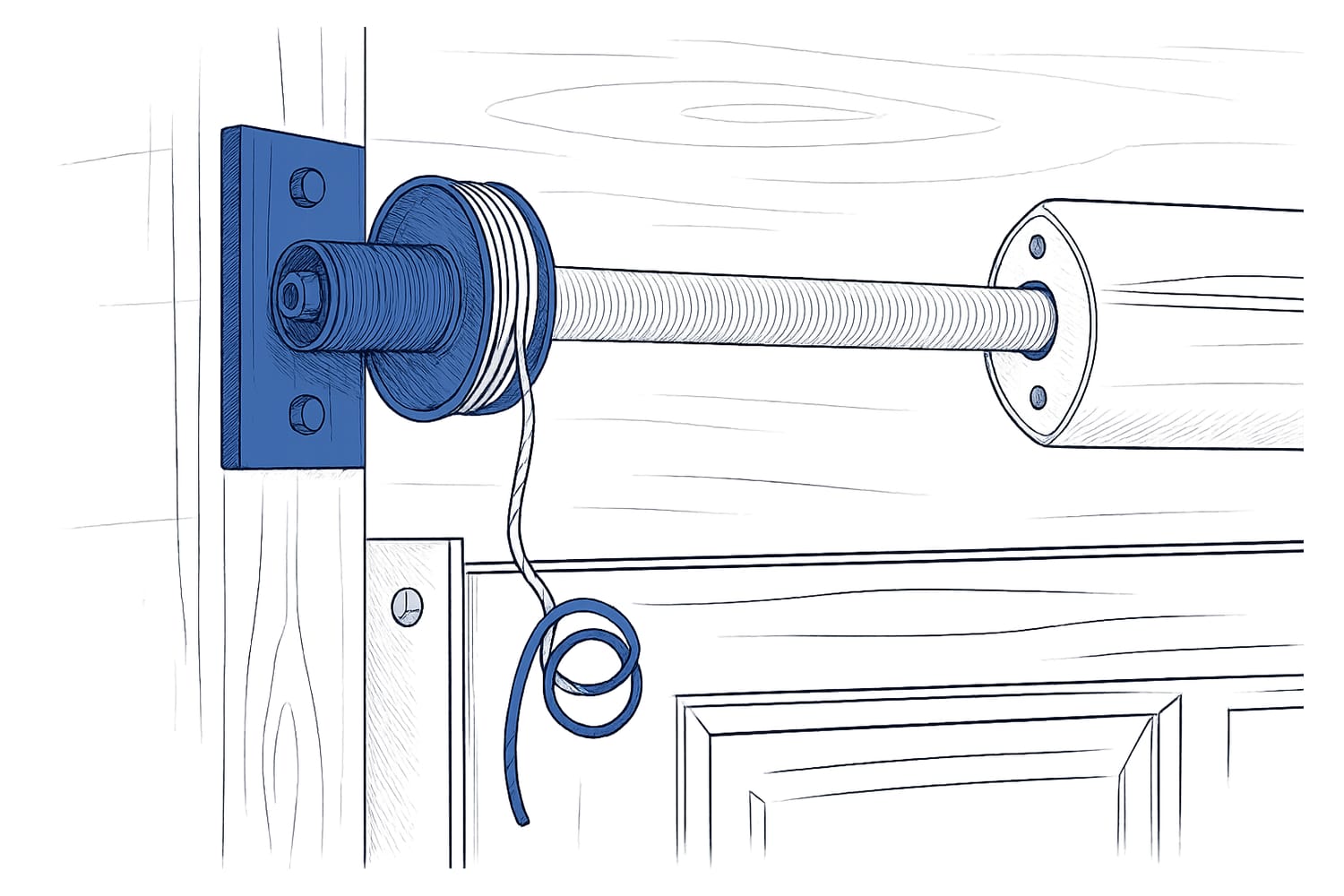 Garage Door Cable Off the Drum: What Happened and What to DoIf a lift cable is hanging loose, wound unevenly, or the door sits crooked with one side higher, a cable has come off its drum. Stop using the door, leave the opener alone, and don't pull the release cord with the door up. Re-seating a cable means releasing spring tension, which is a technician's job.Read the guide
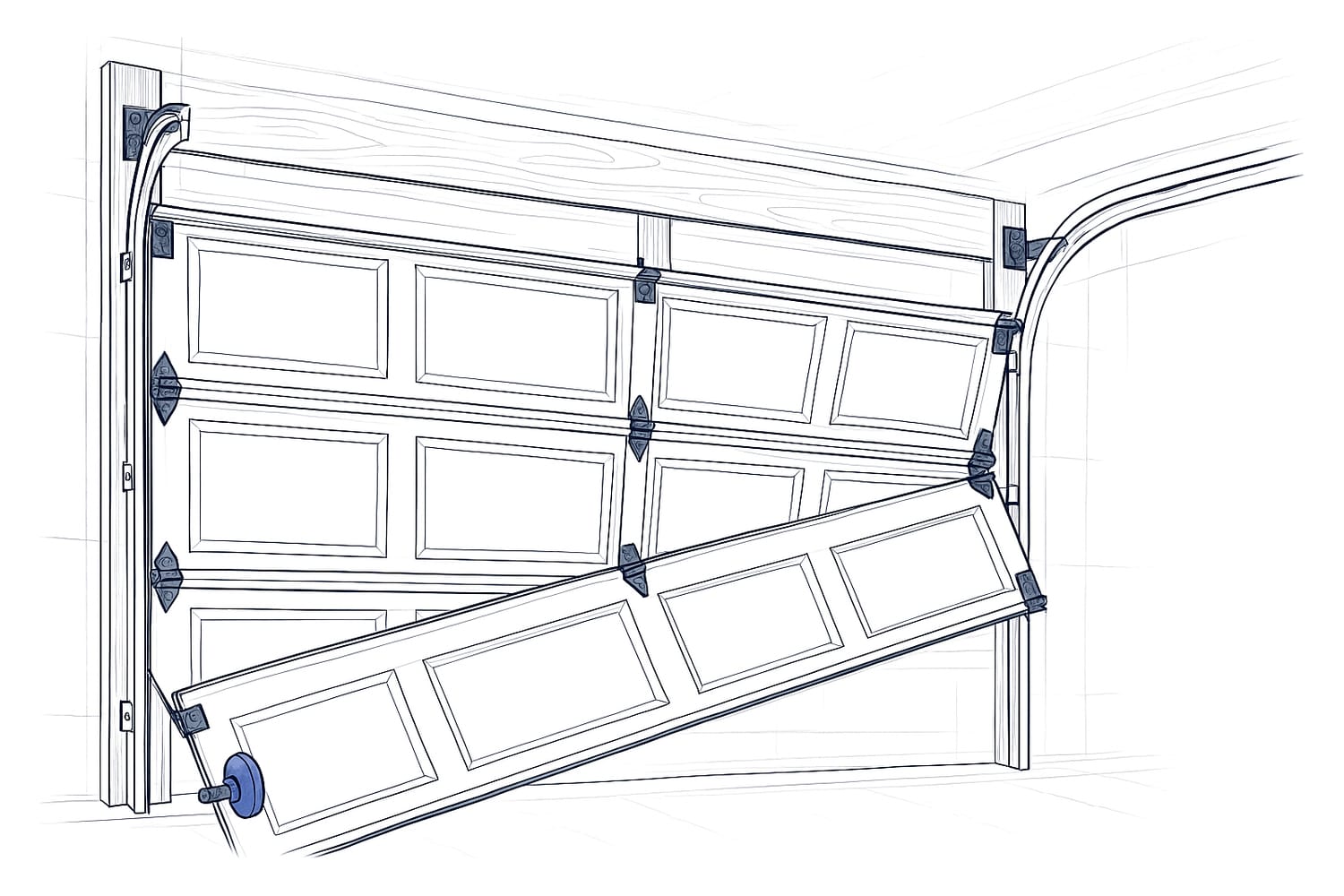 Garage Door Off Track: Causes, Dangers, and What Not to DoA door comes off its track when a roller leaves the rail: after a vehicle bump, a broken cable, worn rollers, bent or loose track, or being forced while frozen. The door is then heavy, crooked, and held by very little. Don't push it back, don't run the opener, and don't pull the release. Call.Read the guide
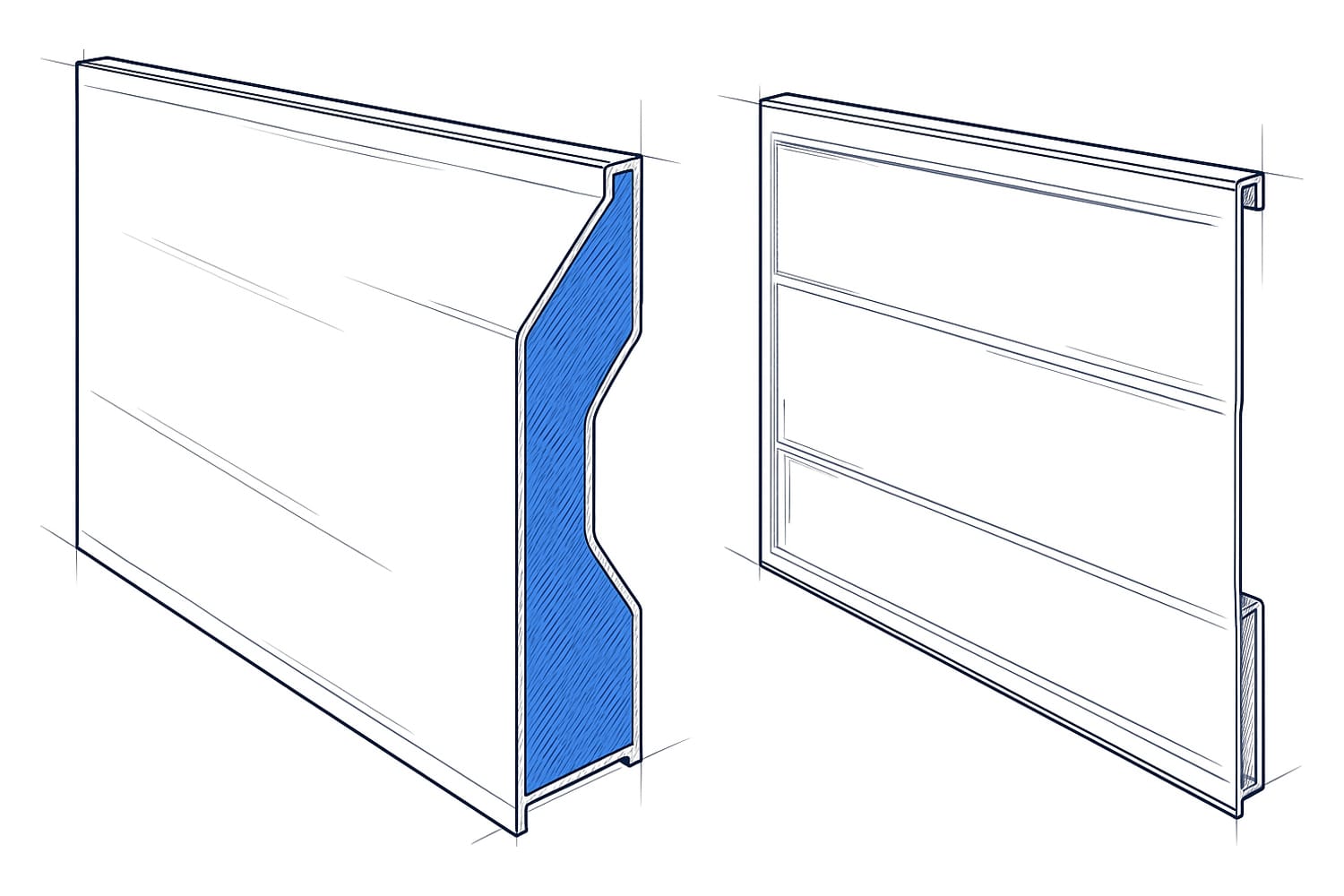 Garage Door Insulation and R-Value: What the Numbers Mean in WinnipegR-value measures how well the middle of a door section resists heat flow, and it's calculated, not tested. For a detached unheated garage, R-6 or less is fine. For an attached garage, aim for R-10 to R-12. For a heated garage or shop, R-16. The seals and the joints between sections matter as much as the number.Read the guide
Ready to Book?
Same-day service across Winnipeg and nearby communities. Free on-site diagnosis on every residential repair.