
Garage Door Frozen to the Floor: How to Free It Safely
Stop pressing the button. Pull the red release cord so the opener is out of the picture, warm the ice along the bottom edge with a hair dryer, and lift the door by hand. Silicone spray on the bottom seal and a cleared threshold keep it from happening again.
- Works for:
- Any sectional garage door with an electric opener. Most common on doors that face the wind, sit at the bottom of a sloped driveway, or open onto a heated garage.
Written by the ClearTech Garage Doors team in Winnipeg and checked against manufacturer documentation. Updated .
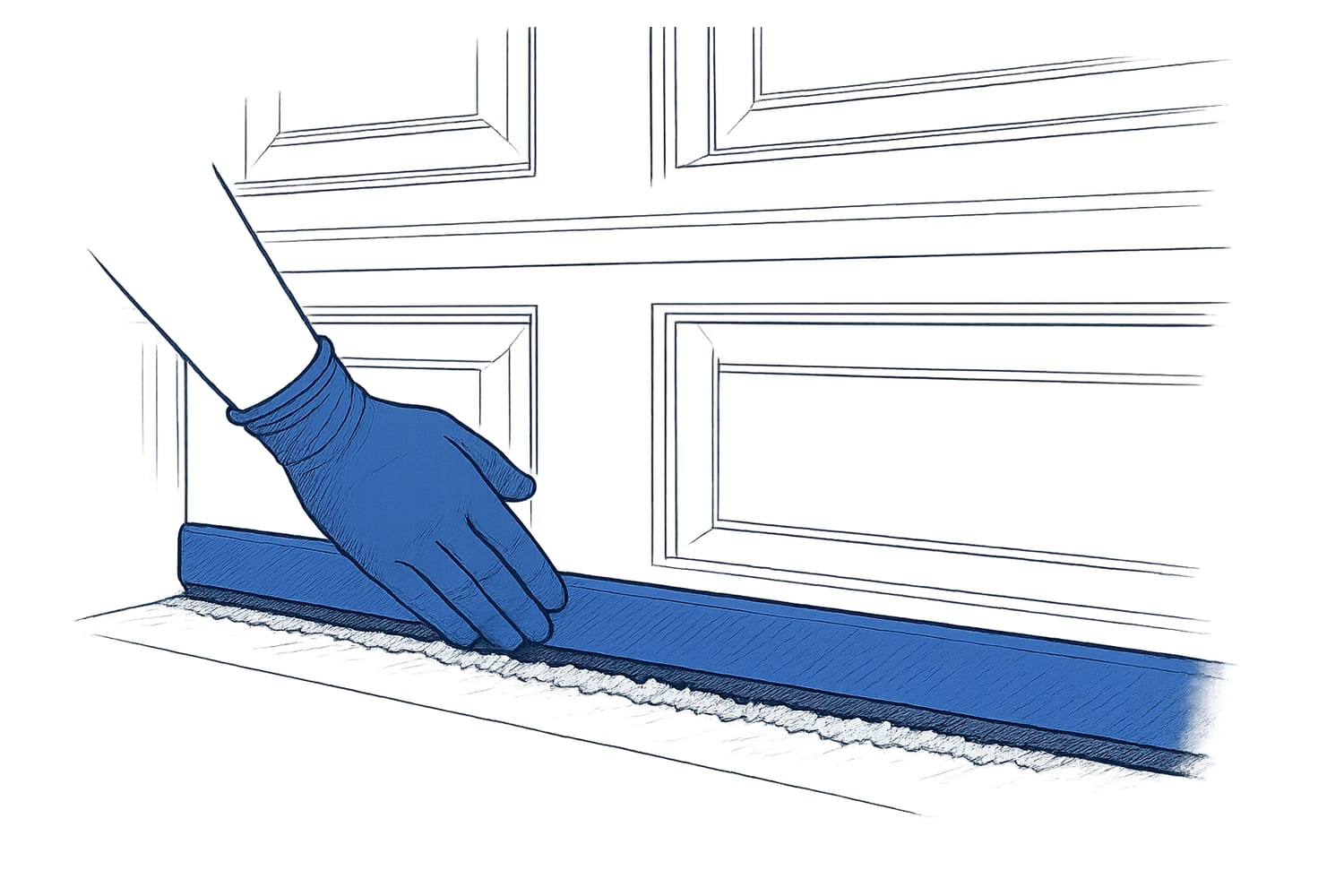
Before you start
- A hair dryer, or a small heater on low
- A stiff broom and a plastic scraper
- A rubber mallet, or a block of wood and a hammer
- Silicone spray for afterward
- A second person if the door is a double
Step by step
Step 1: Stop running the opener. If the door strains, hums, lifts one corner and stops, or reverses, leave the button alone. An opener pulling against ice can strip its drive gear, bend the arm, or tear the top panel.
An opener that stops and reverses on a frozen door is doing its job. Turning up the force setting to push through is the quickest way to turn a frozen seal into a broken door.
Step 2: With the door fully closed, pull the red release cord hanging from the opener rail so the door is disconnected. Unlock any slide lock on the inside of the door, and turn off the lock button on the wall console if yours has one.
Step 3: Look along the bottom edge from inside. Check whether the seal is iced to the floor across the whole width or only at the corners, and look for snow packed against the outside of the door.
Step 4: Clear snow and loose ice away from the outside of the door line with the broom and scraper. Don't chip at the seal itself with anything sharp.
Step 5: Warm the ice along the bottom edge with the hair dryer, moving it steadily so no one spot gets hot. Warm tap water poured slowly along the outside edge also works. Dry the threshold with a rag afterward so the water doesn't refreeze into a thicker bond.
Never use a torch, a heat gun on high, or boiling water. Rubber and vinyl crack when they're shocked, and the paint on the bottom panel scorches.
Step 6: Try lifting the door by hand using the handle or the bottom edge. If it's still stuck, tap along the bottom of the door from inside with the rubber mallet, or the wood block and hammer. You're cracking the ice, not hitting the door.
Step 7: Once it's free, lift the door to about waist height and leave it for a minute so the seal warms up. Scrape and dry the threshold while you wait.
Step 8: Reconnect the opener. On most rail openers, pull the cord back toward the motor, then press the wall button and let the opener run one full cycle so the trolley picks the door up again. The power outage guide has the steps for each opener type.
Step 9: Keep it from freezing again. Wipe the bottom seal dry and spray it with silicone. Don't use a petroleum product like WD-40, which stiffens rubber and vinyl. Clear snow from the door line before it melts. In a cold snap, open the door at least once a day.
Need this fixed?
Weather Seal Replacement
Garage door weather seal replacement in Winnipeg: bottom seals, side and top weatherstripping, and threshold seals that keep out drafts, snow, meltwater, and mice. Cold-rated rubber that stays flexible through a prairie winter.
More about Weather Seal ReplacementStill stuck? Here is what it usually is.
- The door came free but now hangs crooked, sits lower on one side, or a cable is slack. The ice held one side while the opener pulled on the other, and a cable may have jumped off its drum. That's a cable and roller repair.
- The opener ran against the ice for a while and now hums or clicks, or the trolley moves but the door doesn't. The drive gear or the trolley is likely stripped. See opener repair.
- The door freezes down in every cold snap. A flattened or cracked bottom seal holds water instead of shedding it. A cold-rated rubber seal or a threshold seal from our weather seal replacement service usually ends it.
- The top panel bowed or cracked where the opener arm attaches. That's a panel replacement plus a reinforcement strut.
We look at the whole door, not just the part that failed, and tell you plainly what it needs.
Common Questions
Why does my door freeze down when my neighbour's doesn't?
- Meltwater. Snow piled against the door melts from garage heat or an afternoon of sun, runs under the seal, and refreezes overnight. A driveway that slopes toward the door, a seal that has flattened, and a heated garage all make it worse, and a door that faces the wind collects more snow against it.
Can I just leave it closed until it warms up?
- You can, as long as nobody presses the button. In a Winnipeg January that could mean weeks. Freeing it takes about ten minutes and the prevention takes two.
Does a heated garage stop it?
- Often it does the opposite. The heat melts the snow against the door, and the meltwater refreezes under the seal when the sun goes down. Keeping snow cleared from the door line matters more than the heat.
Sources
This guide was checked against the following manufacturer and industry documents.
Related guides
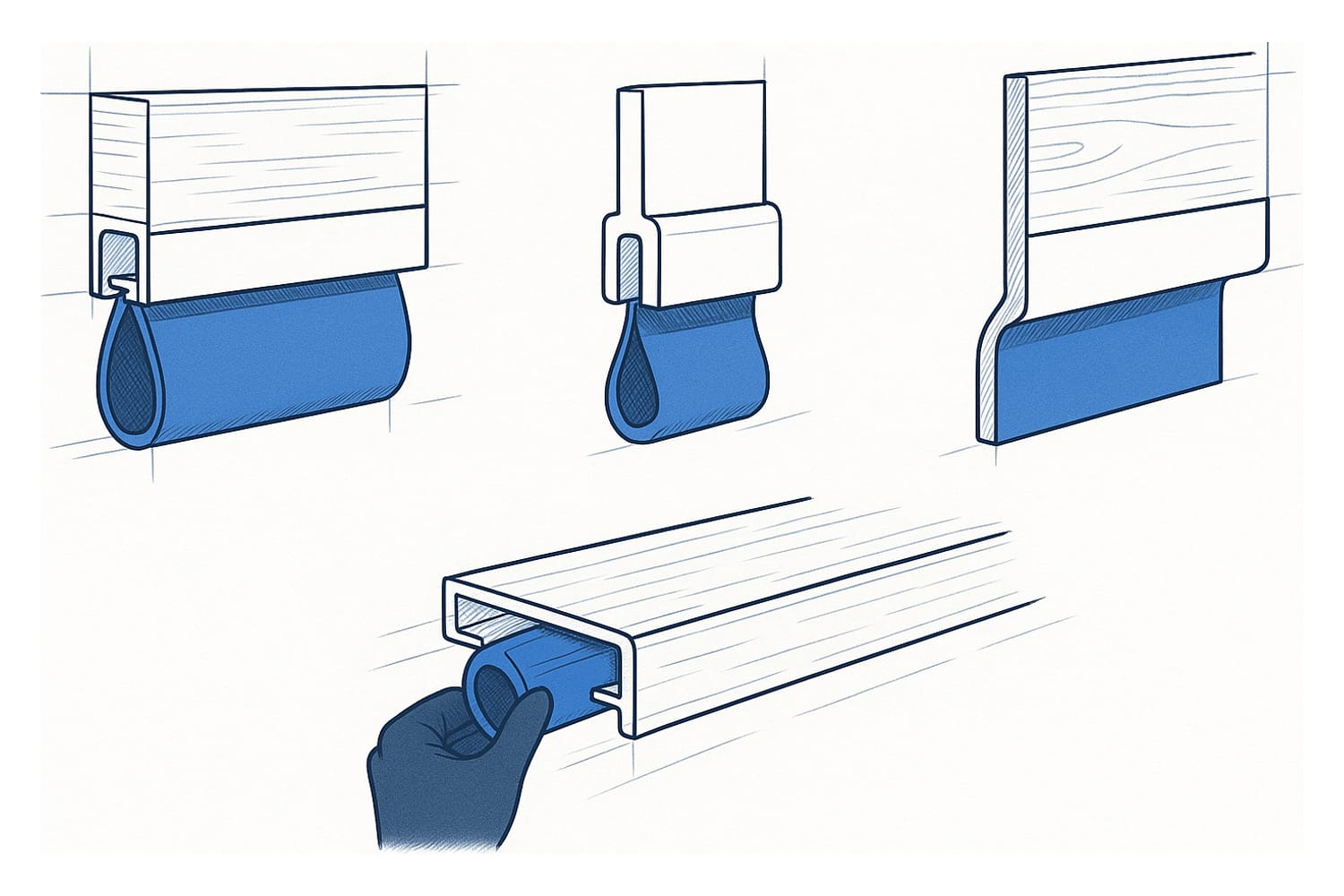 How to Replace a Garage Door Bottom SealMatch the new seal to your retainer (T-style, bead, J-style, or bulb) and buy it longer than the door, pull the old seal out of the retainer, spray the channel with soapy water, and slide the new one in. Trim the ends after it settles for a day.Read the guide
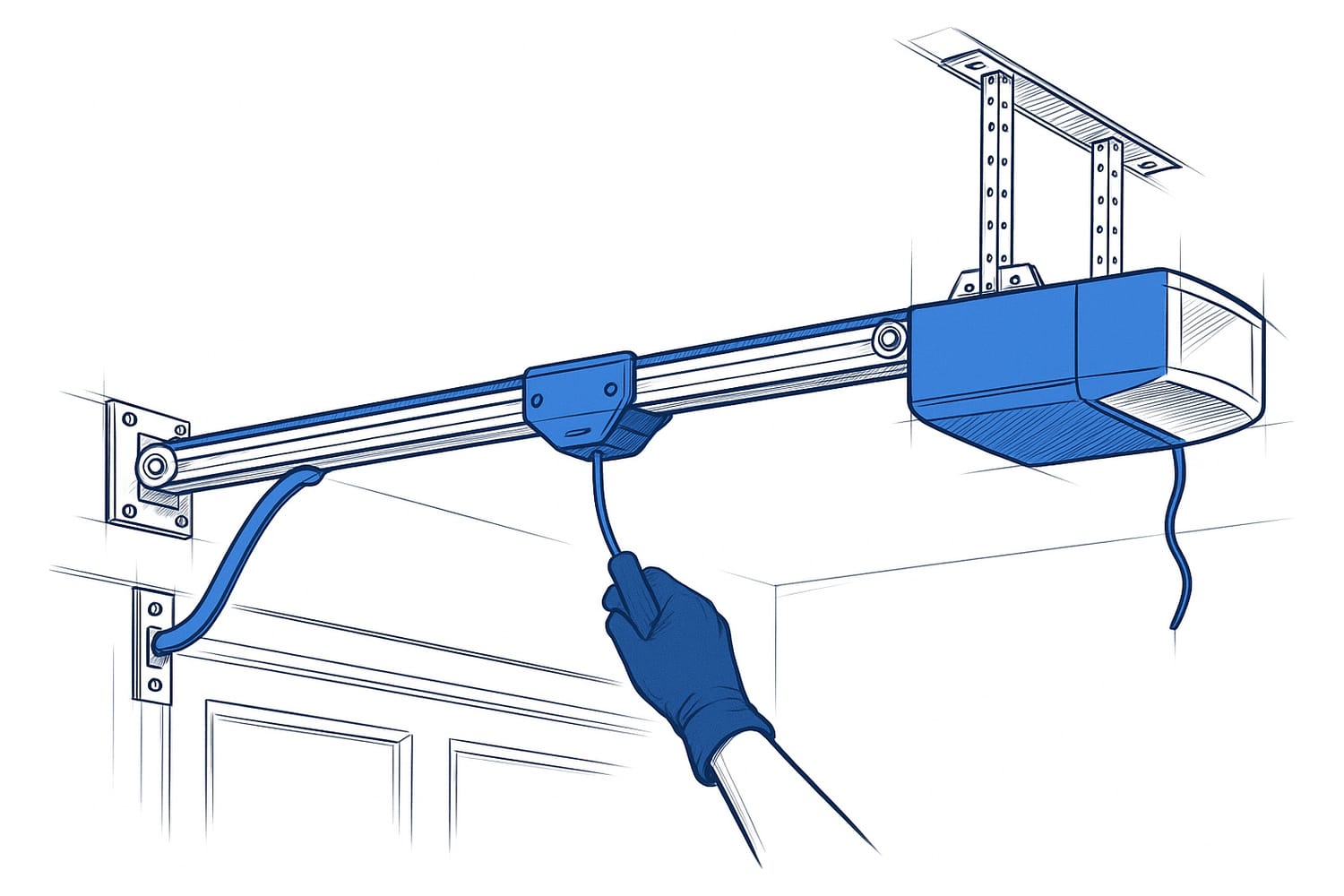 How to Open Your Garage Door in a Power Outage, and Reconnect It AfterWith the door closed, pull the red cord hanging from the opener rail to disconnect the door, then lift it by hand. When the power is back, pull the cord toward the motor (or straight down on some models) and run one cycle so the opener picks the door up again.Read the guide
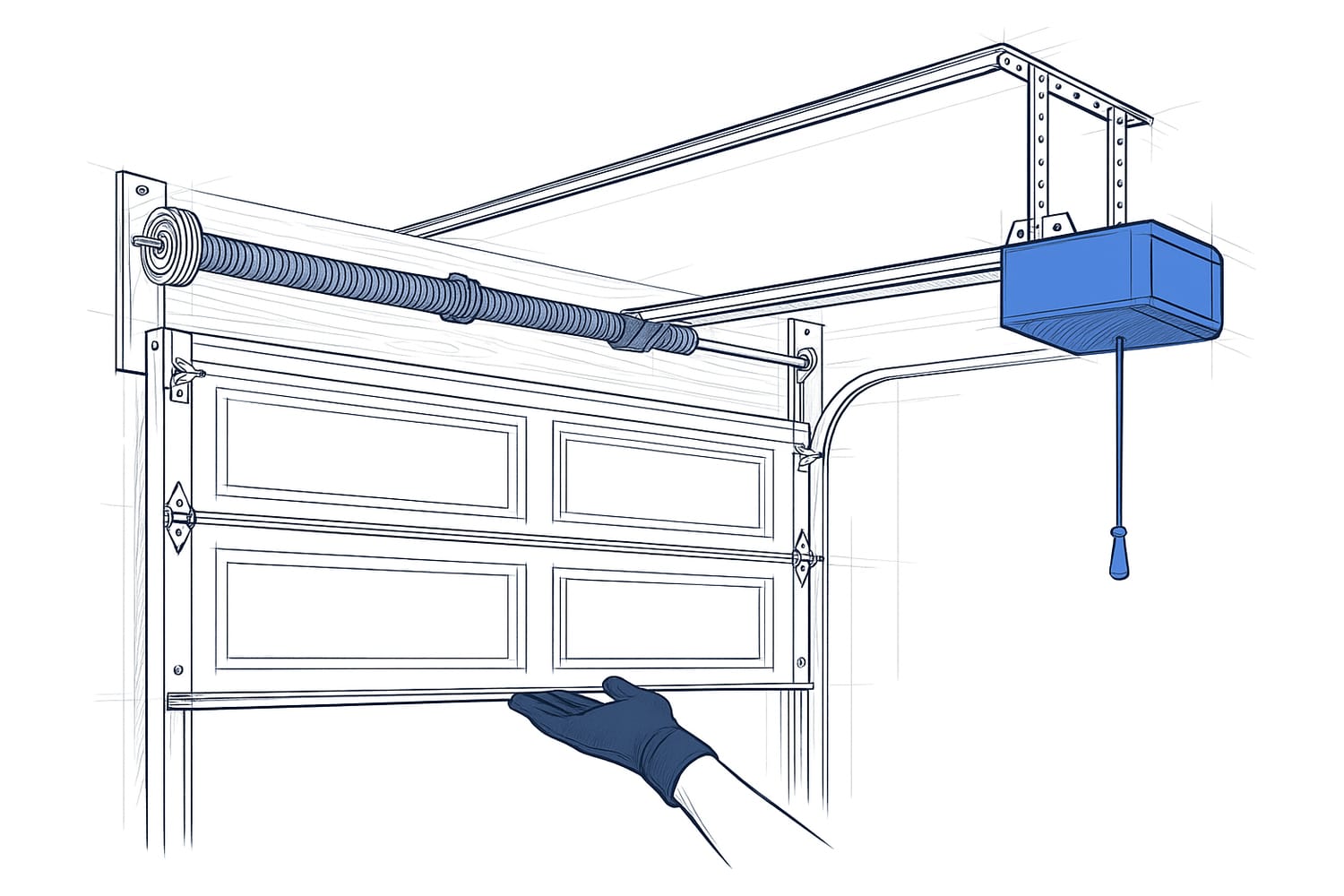 How to Test Your Garage Door's BalanceClose the door, pull the red release cord, lift the door by hand to about waist height, and let go. A balanced door stays put or drifts slowly. A door that drops or shoots up has a spring problem, and the opener has been covering for it.Read the guide
Ready to Book?
Same-day service across Winnipeg and nearby communities. Free on-site diagnosis on every residential repair.